
Red Sea Attacks: How the Houthis Changed Maritime Security Forever
For decades, maritime security planning focused on piracy, armed robbery, and isolated regional threats.
The sustained attacks on commercial shipping in the Red Sea by the Houthi movement have fundamentally altered how the maritime industry understands risk, responsibility, and resilience at sea.
From Piracy to Precision Warfare
Traditional maritime security threats were largely criminal and opportunistic utilising:
- Small arms
- Boarding attempts
- Hostage-taking for ransom
The Red Sea attacks introduced something entirely different:
- Anti-ship missiles
- Armed drones
- Ballistic missile launches targeting merchant vessels
- Remote targeting with limited warning
These are military-grade capabilities used against civilian shipping.
Unlike piracy, there is no negotiation phase, no escalation ladder, and often no opportunity for evasive action once a vessel is targeted.
Why the Red Sea Is a Turning Point
The Red Sea crisis exposed several uncomfortable realities for shipowners and regulators alike.
Commercial Ships Are Now Strategic Targets
Vessels are no longer just collateral risk. They are used as:
- Political leverage
- Economic pressure points
- Symbols within wider geopolitical conflicts
Flag, ownership, cargo type, and even port history can influence targeting.
High-Risk Areas Are No Longer Clearly Defined
The idea of neatly bounded “high-risk areas” has been blurred.
Missiles and drones:
- Extend threat ranges hundreds of miles
- Ignore traditional piracy corridors
- Blur the line between war zones and commercial sea lanes
A vessel transiting the Red Sea may face strategic threats previously associated only with naval operations.
Armed Guards Are Not a Universal Solution
Private Maritime Security Companies (PMSCs) have bene historically very effective against piracy when engaged correctly.
They have no ability to counter missiles or UAVs, meaning their effectiveness could reduce in the evolving security risks.
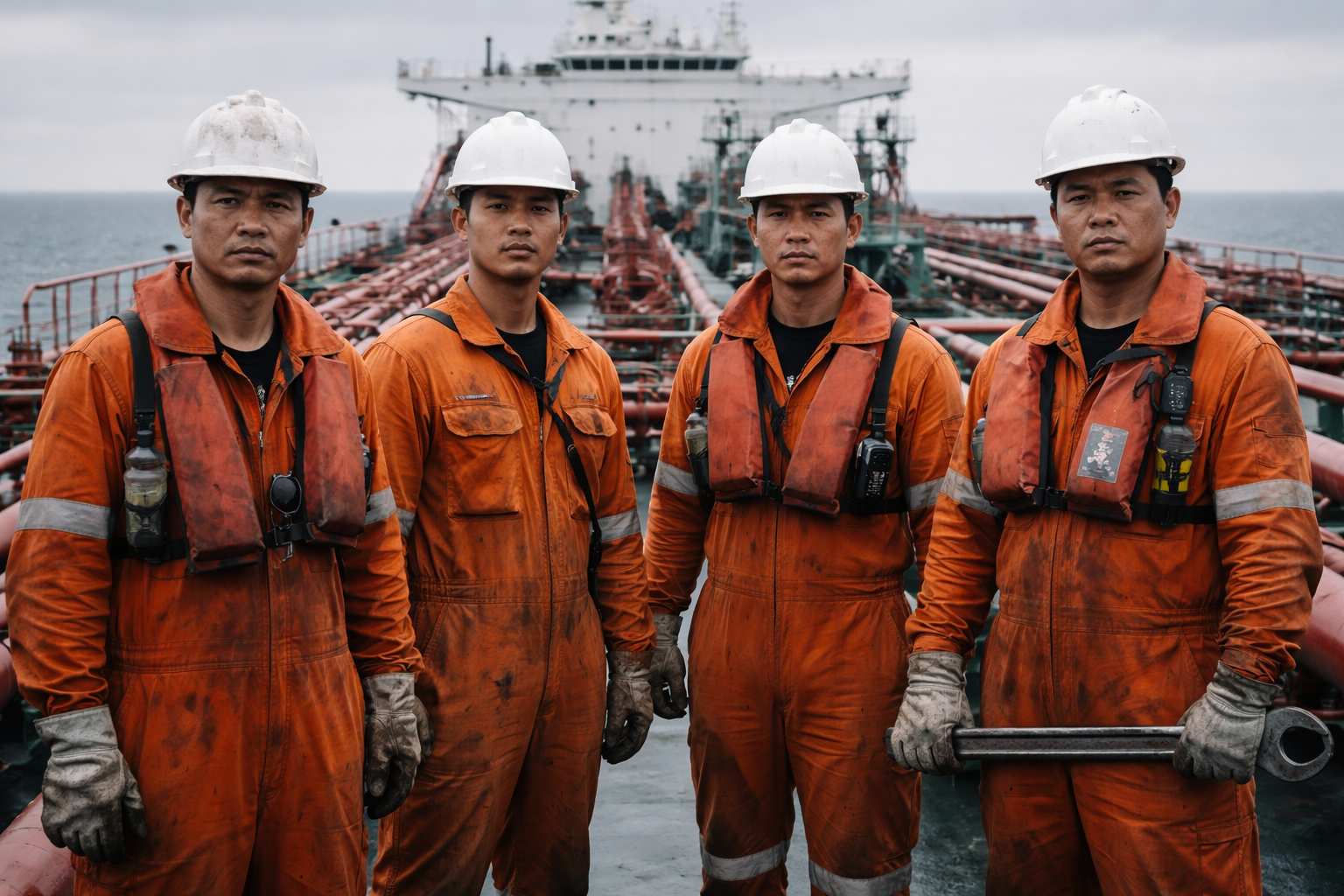
The Human Factor: Crews on the Front Line
Perhaps the most under-discussed impact is on seafarers themselves.
Security is no longer abstract. It is psychological, immediate, and deeply personal.
This raises serious questions about:
- Crew consent
- Mental health
- Fatigue and stress management
- Training adequacy under STCW frameworks
It’s important to note – under the MLC convention a seafarer cannot be forced to enter a warzone and has the right to refuse without penalty if this was not specified in their original employment agreement. In this case, the shipowner is obliged to repatriate the seafarer at the shipowner’s expense.
Looking ahead
Recent events in the Red Sea will likely influence future guidance, risk assessments, and industry best practice. While existing regulations provide a baseline, they may require adaptation to address emerging threat types more effectively.
Shipping companies, training providers, and regulators will all play a role in shaping how maritime security is approached in the coming years.
Navigating these risks is a challenge, at Seafarer.Online we discuss the current security risks to seafarers in our online courses –
Our courses – Start Learning Now